|
IT
TAKES FOUR TO TANGO was
composed in September 1990 for the quartet Clarinessence, in which I played bass
clarinet. The title is simply a twist on the old saying.
Perhaps because the texture is straightforward melody and accompaniment, with
catchy rhythm and harmony, I frequently get asked to make transcriptions. Here's
what's available so far, all through Presser:
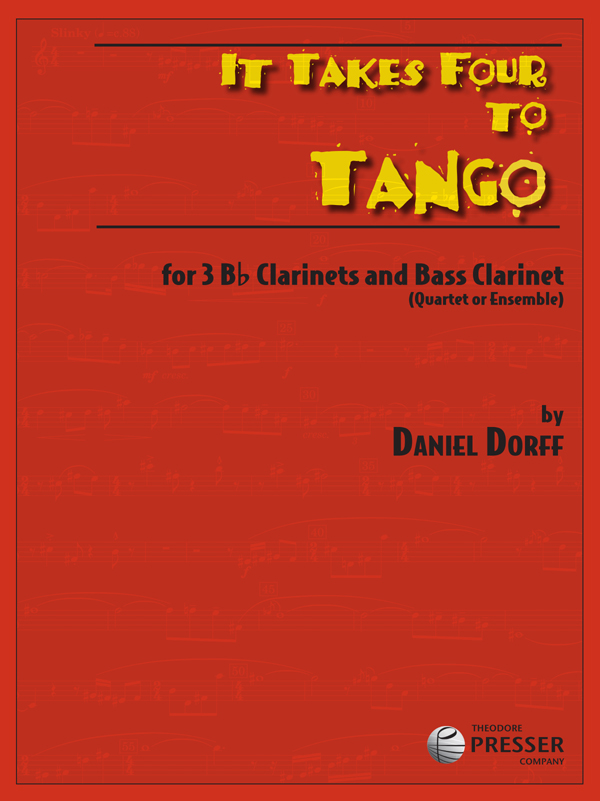
(1) 3 Bb Clarinets and Bass Clarinet: The original
version, now recorded by the Interclarinet ensemble -- players from the top
orchestras in Germany, Austria, and Hungary.
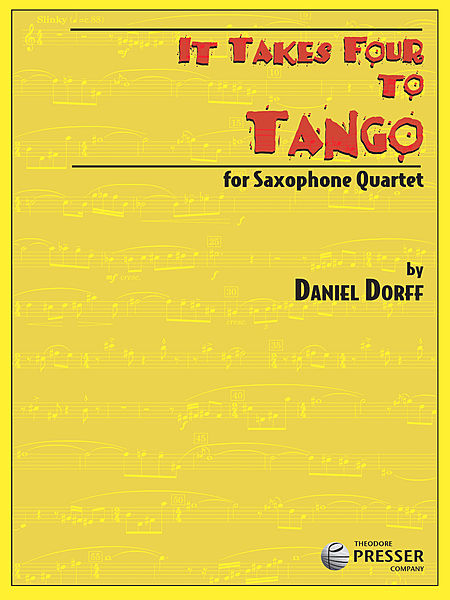
(2) SATB Saxophone Quartet: Requested by several
groups, now recorded by the Tokyo-based Harmo Saxophone Quartet, and the Miles
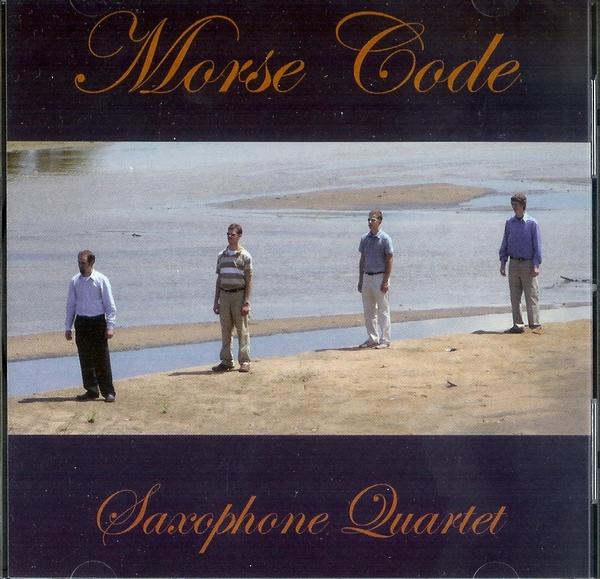
Osland Quartet which added jazz flavoring. and more recently by the Morse Code
Saxophone Quartet. Also performed by Prism
and many other quartets.
(3) String Quartet: originally for the Haddonfield
Symphony's in-school outreach, now in lots of gig books.
(4) String Quintet (quartet plus bass):
also great
for in-school and gigs
(5) String Orchestra: now available for high school
and community orchestras, a regular publication from Presser.
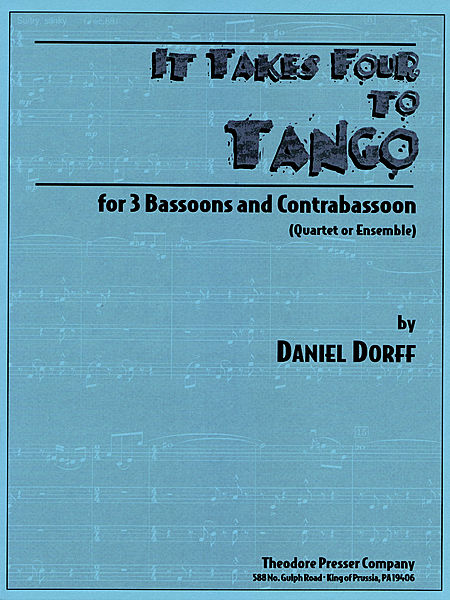
(6) 3 Bassoons & Contrabassoon: transcribed for
Christopher Weait and the Ohio State University Bassoon Ensemble.
(7) Violin (or Flute) & Guitar: premiered by Mimi Stillman
and Allen Krantz in Philadelphia.
(8) Flute & Strings: premiered by flutist Mimi
Stillman with members of the Philadelphia Orchestra
(9) Bb Clarinet & Bass Clarinet:
performed at
international clarinet conventions by John Bruce Yeh and Teresa Reilly, as part
of the clarinets/mimes ensemble Inventions. The bass clarinet covers the whole
accompaniment usually taken by 3 instruments
(10) Violin & Bass Clarinet: not premiered yet.
(11) 4 Contrabassoons: premiered at the 2003 IDRS
convention by a team of leading orchestras' contrabassoonists.
(12) Fl., Clar., Bn., Tpt., Tbn., Perc., Vn., Vla., Vc., Cb.: for conductor Benjamin Loeb's showcase of 25 1-minute samplings of
classical-music repertoire for the Haddonfield Symphony's educational outreach
program.
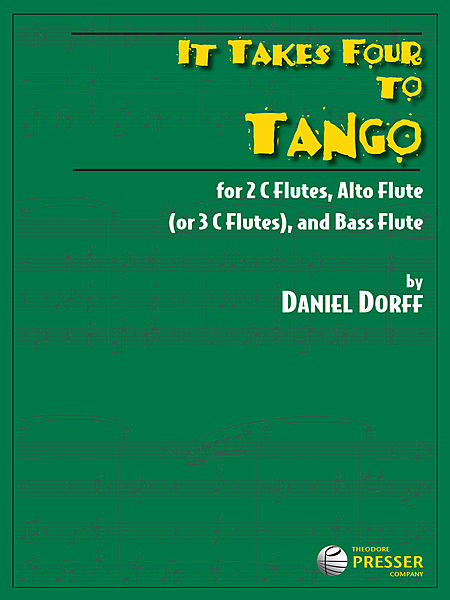
(13) 2 C Flutes, Alto Flute (or 3 C Flutes), and Bass
Flute: for Flûtes de Salon
who premiered it in San Diego in July 2011.
(14) Flute, Clarinet, Horn, Bassoon:
for the WindSong Consort,
Temecula, CA
(15) Contrabass Flute and Contrabassoon: for Keyed Kontraptions, San Francisco, CA
(16) Flute, Oboe, Bb Clarinet, and Bassoon: for members of the Johnston (PA) Symphony
|
  |